

You are here
News
African Development Bank places water and sanitation on Africa’s climate agenda

The rise in global temperature poses severe risks to water and sanitation. This includes African countries like Sudan and Niger, who grapple with extreme weather events in the Sahel region.
As part of activities of the 24th UN Climate Summit in Poland, the African Development Bank dedicated December 5th, “Water and Sanitation Day”, to highlight the importance of this critical issue globally and in Africa in particular. This was done in collaboration with the wider Water Action Day event at the summit.
The land, agriculture and forestry nexus at the heart of African sustainability

How Africa manages its land, agriculture and forestry is of critical importance to the health of its people, its economy and the world’s climate.
Not only is Africa the continent with the greatest potential to increase productivity; it also has the highest percentage of rainfed agriculture and therefore among the most vulnerable areas to climate impacts.
With 60% of the continent’s trade derived from agricultural commodities, it is not surprising that Africa is increasingly recognizing the need for robust adaptation programs and climate smart agriculture.
CLIMAT : Rendre aux forêts leur rôle régulateur en impliquant les acteurs locaux dans leur gestion

Les forêts jouent un rôle de premier plan dans le climat mondial. Les arbres et les sols qui les composent captent le dioxyde de carbone de l’atmosphère et le convertissent, par la photosynthèse, en carbone, qu’ils emmagasinent ensuite sous la forme de bois et de végétation. C’est un processus connu sous le terme de « piégeage du carbone ». Les forêts fixent d’énormes quantités de carbone. Au total, les forêts et les sols forestiers de la planète stockent plus de 1 000 milliards de tonnes de carbone, deux fois plus que le volume présent dans l’atmosphère.
Climate change resilience: the need for synergy in African initiatives

For most African countries, agriculture is a key sector: it employs over 60% of the working population of the continent and contributes 16,2% to Africa's GDP. Agriculture is also essential in the fight against poverty and to ensure the food security and survival of rural communities. But how can rural areas and their populations adapt to climate change as well as guarantee the sustainability of farming activities?
African initiatives and projects
Operationalising the NDCs in Africa: "Think in terms of development opportunities, not obstacles or challenges"
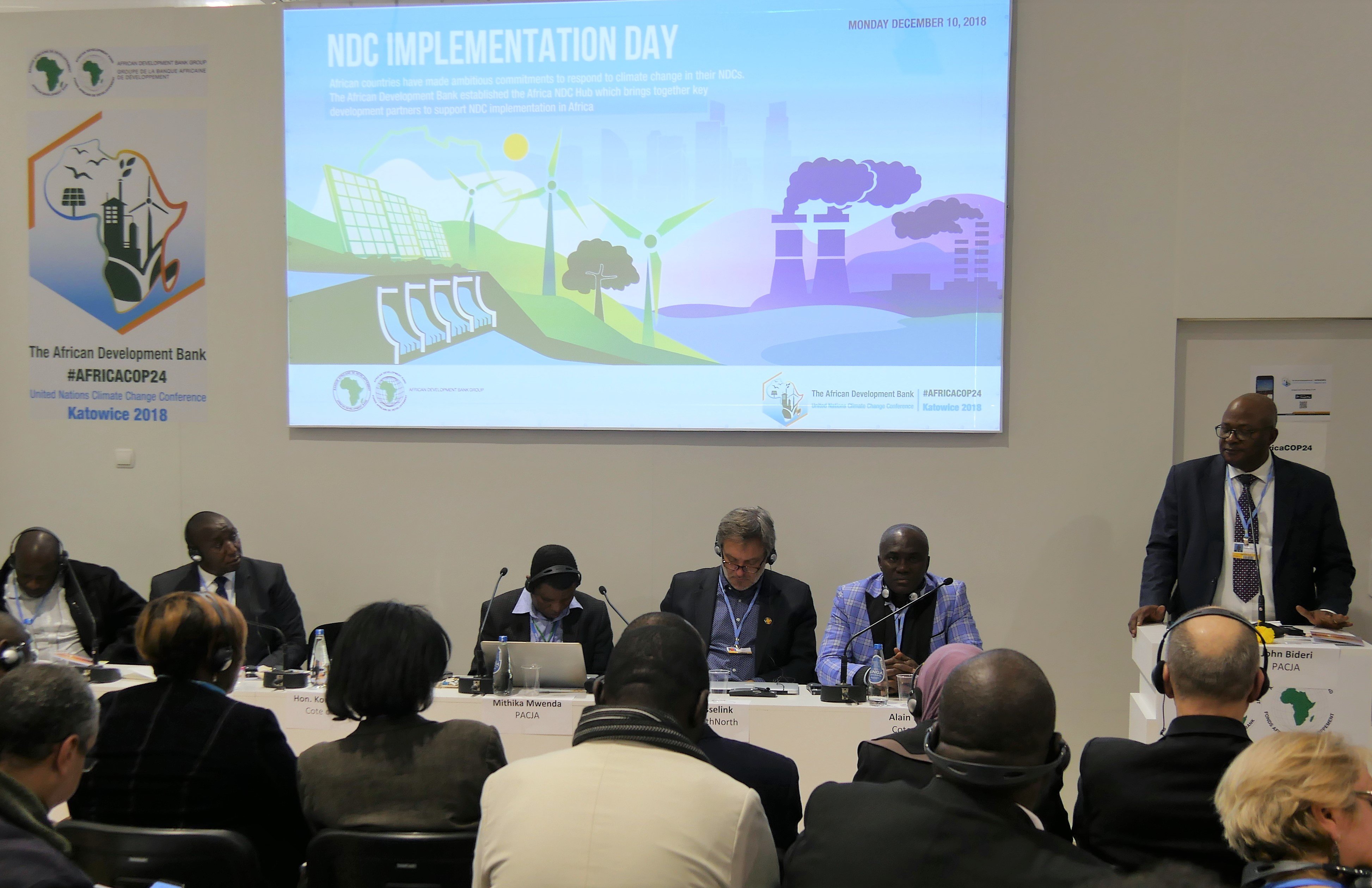
To make a success of the implementation of the nationally determined contributions (NDCs) in Africa, consideration must be given to adopting special legislation on climate and the fight against corruption. This may be a quite a challenge, but it also promises great opportunities.
Cleaning up the transport sector in African cities

Africa is the continent with the most rapidly growing urban population, at an estimated annual rate of 3%. The surge in population is paired with rapid urbanisation and increased transportation. Consequently, emissions from transportation are growing significantly all across Africa, further driven by urban sprawl, rapid motorization and low levels of institutional capacity to manage traffic and its impact.
Regional Hubs to aid countries in achieving NDCs
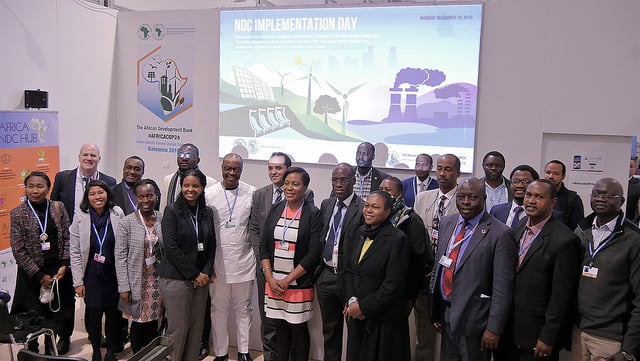
One week into the United Nations climate negotiations at COP24, the importance of nationally determined contributions (NDCs) in implementing the Paris Agreement is receiving increased attention. This is because the African Development Bank hosted an event on 10th December designed to encourage cooperation between regional NDC hubs (African, Pacific and, Caribbean) and to strengthen their roles in integrating NDCs into national development plans.
Technology’s crucial role in managing African climate shocks

The role of technology and climate information in helping Africa mitigate and adapt to climate change now and in the future cannot be underestimated. From creating more sustainable technologies to building resilience to climate change to estimating the amount of water needed for sustainable agriculture, the applications of technology and climate information are endless. In all these approaches, the use of climate information to mitigate disaster and reduce risk is particularly critical.
COP24: From Policy to Action: Integrating Gender into National Climate Actions in Africa
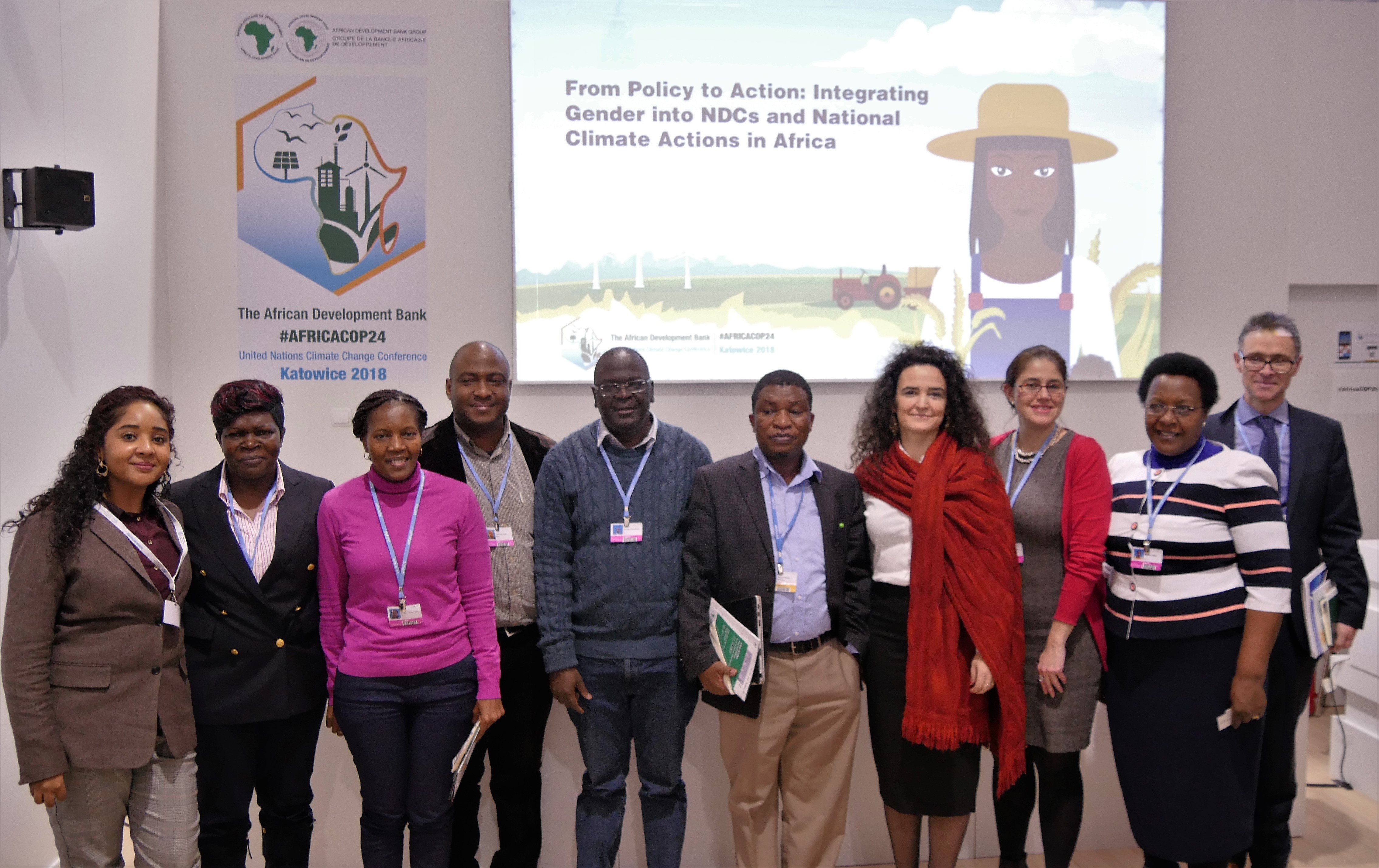
Katowice, Poland, 10 December, 2018 - “Women’s voice is critical, from local to the national, in planning and implementation. We must ensure women are given the skills tools and finance to address the climate change challenge,” Mafalda Duarte, Head of the Climate Investment Funds, urged attendees Monday, at a side-event at the 24th Session of the Conference of the Parties to the United Nations Framework Convention on Climate Change (COP24).
Risk management: weather services and insurance to counter natural disasters in Africa
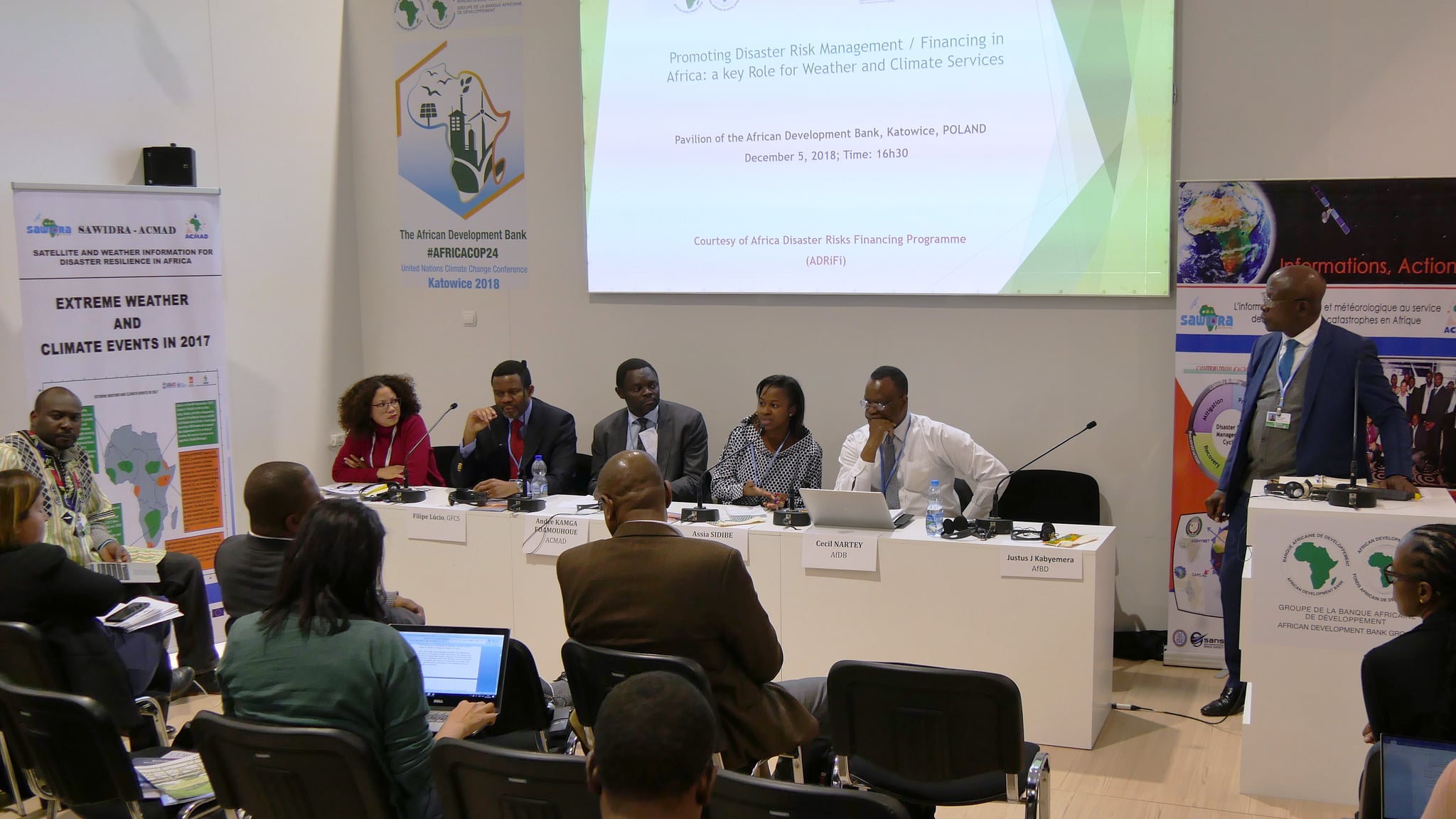
In Africa, where many countries are exposed to risks of climate-change induced natural disaster, it is imperative to create integrated joint risk management strategies. This is because the economies of many African countries depend upon climate-sensitive sectors, such as agriculture, infrastructure, forestry, and fisheries.